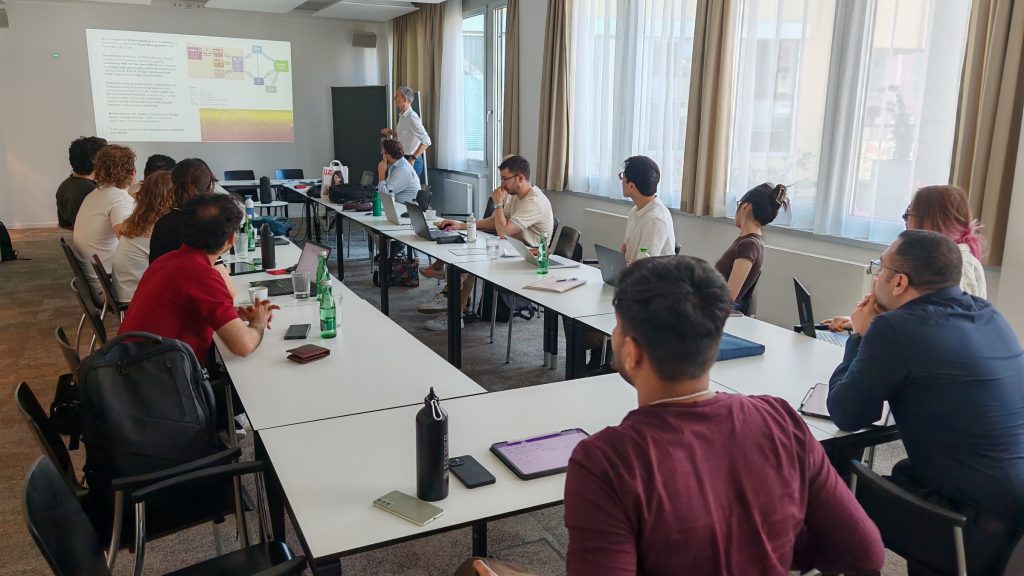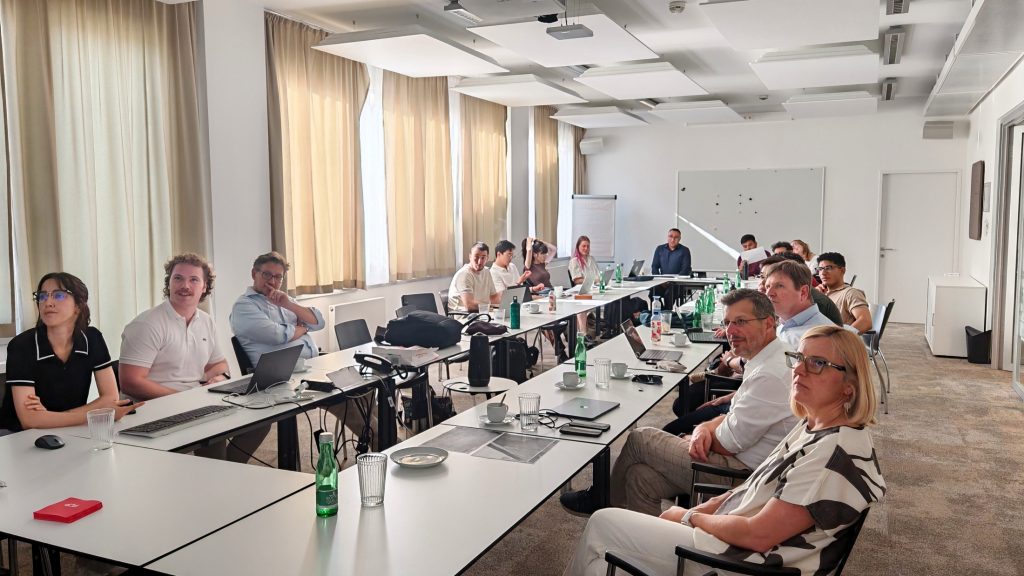
The first Industrial Days within the FOURIER project have now successfully taken place, hosted by our partners at VCE in Vienna.
Our colleagues Robert Veit-Egerer and Peter Furtner contribute their expertise in life cycle management, strengthening the development of data-driven and sustainable approaches to infrastructure decision-making.
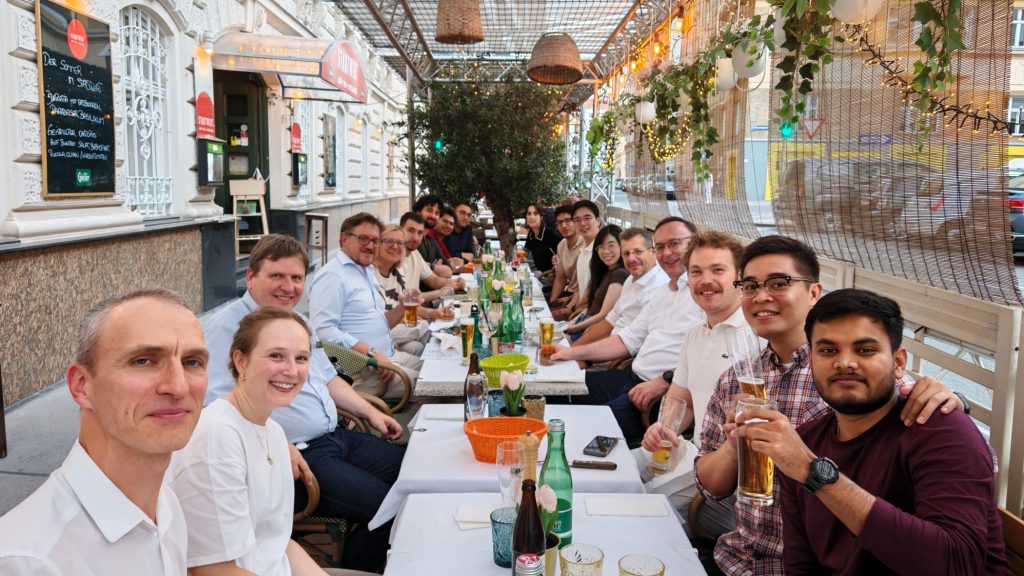
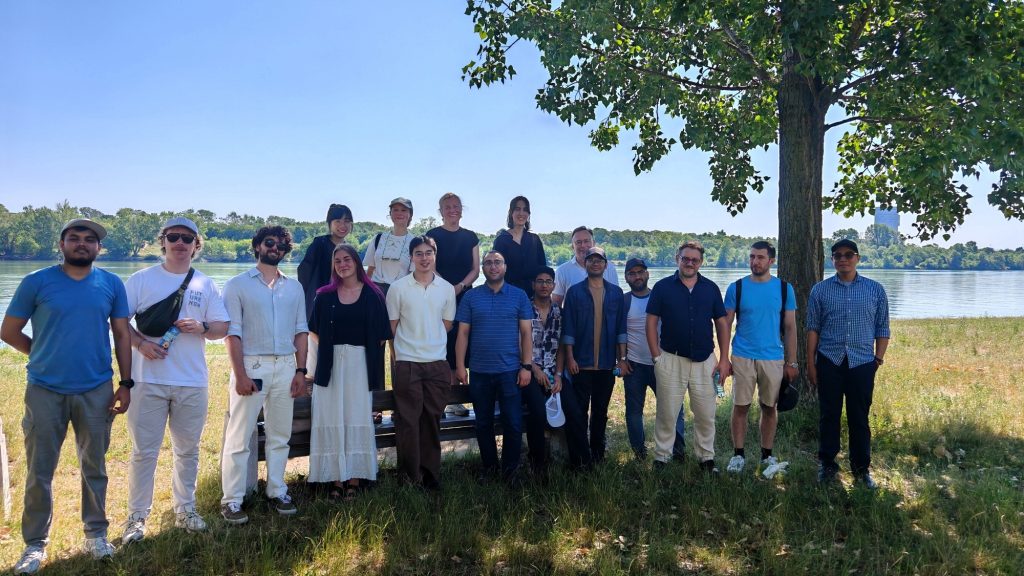
Last week, our doctoral researchers met again, this time in Vienna. The event gave them the opportunity not only to gain first-hand insight into how industrial partners operate and the challenges they face in practice, but also to spend time together, exchange ideas, and discuss their individual doctoral research topics. Sharing experiences, expertise, and lessons learned allowed the students to explore potential collaborations and identify ways in which they could support each other in addressing research questions and overcoming challenges they have encountered in their work.
The programme began with a presentation by one of the organisers, Robert Veit-Egerer, who introduced participants to the BrAIn project (Bridge management with AI for sustaiNable engineering). The project aims to modernise infrastructure maintenance through the use of artificial intelligence, with the goal of reducing CO₂ emissions and cutting bridge maintenance costs by up to 50%. Robert also discussed some of the practical and technical challenges faced by the project team. Given its focus on sustainable and data-driven infrastructure management, the BrAIn project closely aligns with the objectives of the FOURIER project.
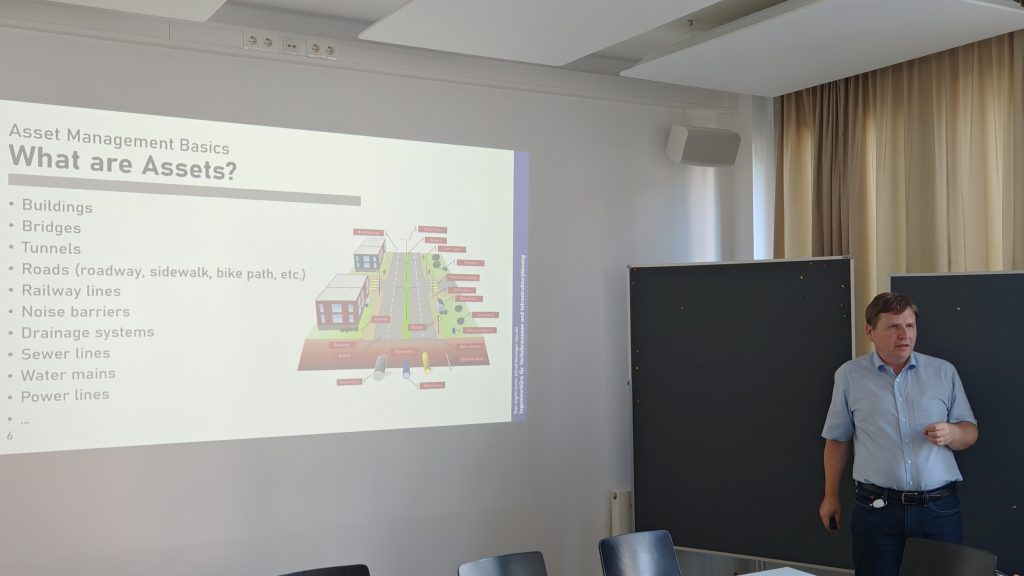
This was followed by an engaging lecture from Alfred Weninger-Vycudil on Road Infrastructure Asset Management. He provided an overview of the concept, explaining its main components and highlighting the complexity of managing infrastructure assets throughout their service life.
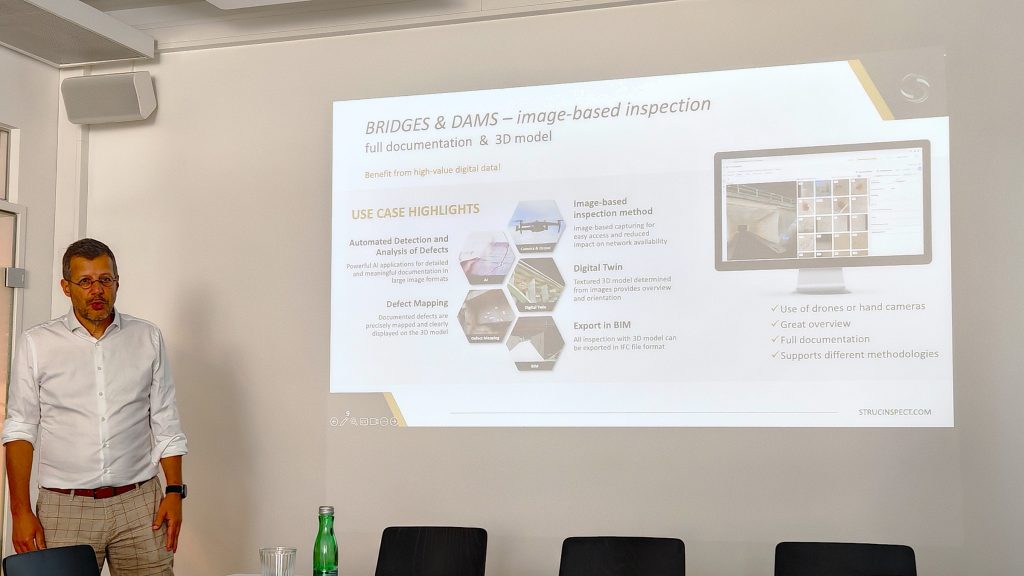
Jo Luic from Structinspect then shared real-world experiences from the field, demonstrating how modern inspection workflows are carried out in practice. His presentation covered comprehensive data collection, the creation of high-quality 3D models, and AI-assisted defect detection, illustrating how digital technologies are increasingly being integrated into infrastructure inspection and assessment.
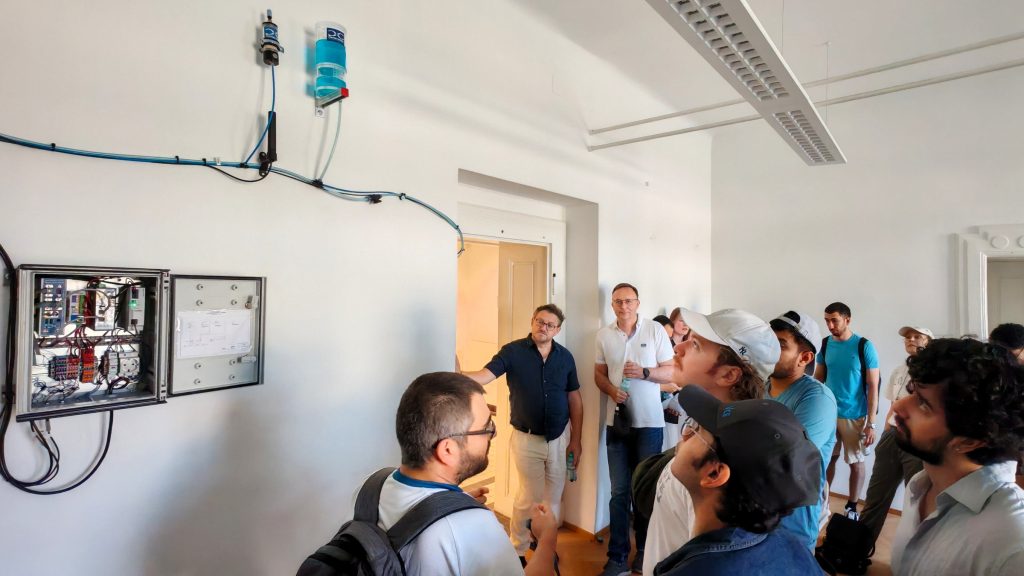
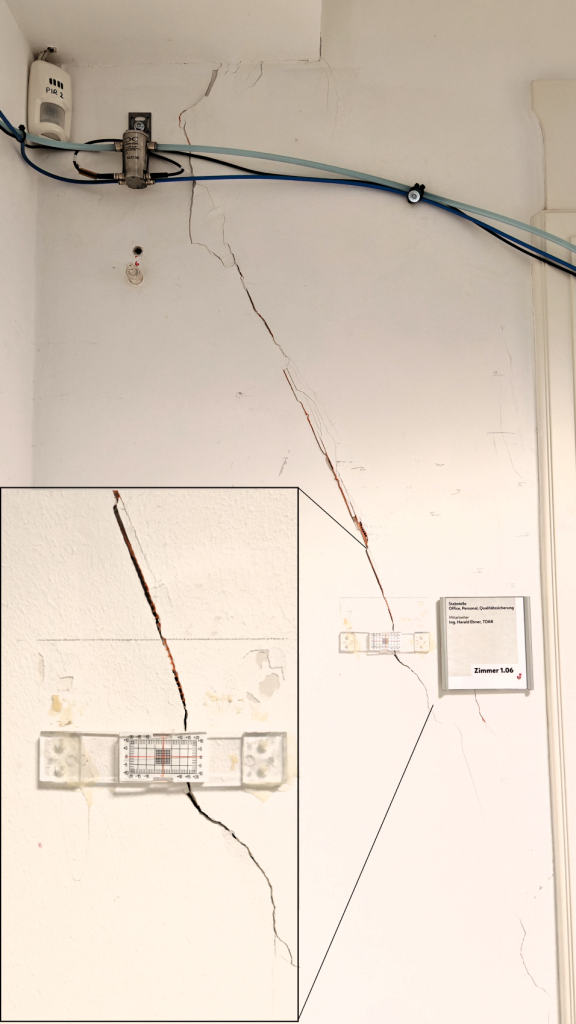
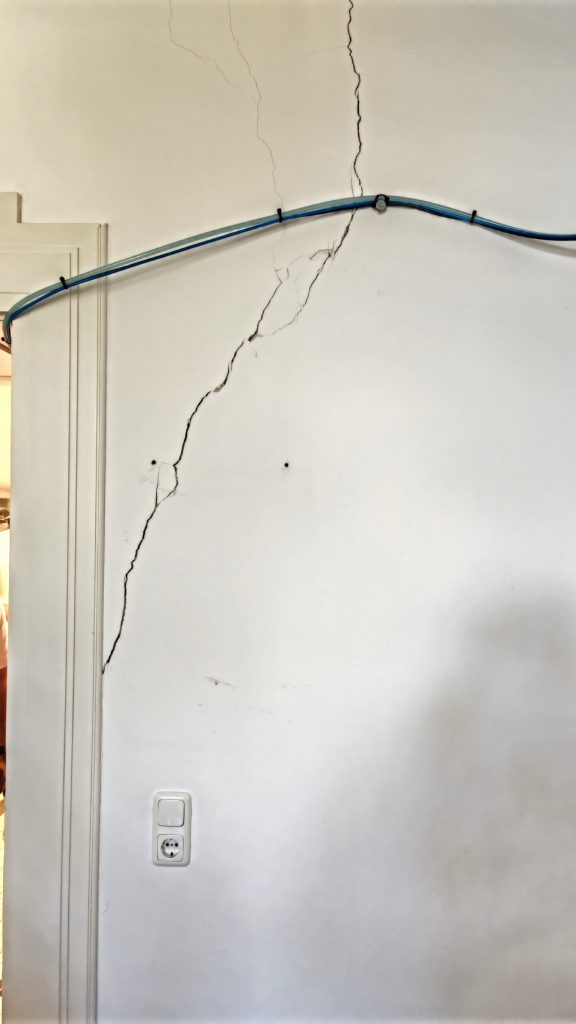
On the second day, participants visited a monitored site: the Otto Wagner Lock Building, the historic headquarters of the Vienna Waters Department (MA 45). Located between the Danube and the Danube Canal, this landmark building dates back to 1899, with its recent renovation completed in 2024. Due to settlement-related issues, cracks have recently appeared in the structure, leading to the installation of monitoring equipment and sensors for tracking both settlement and crack development.
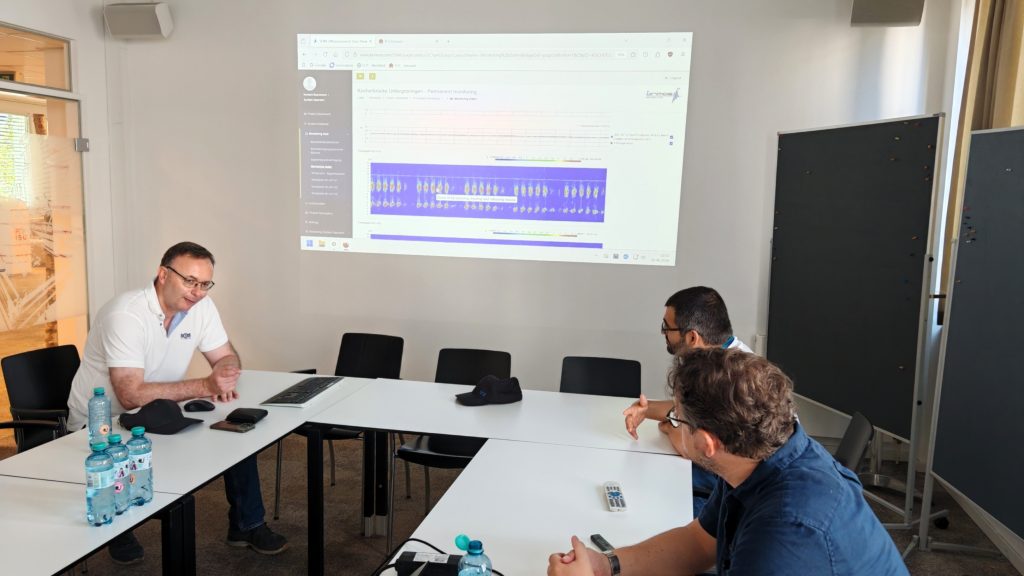
The site visit provided the doctoral researchers with valuable insight into how monitoring data are collected in practice and offered a direct connection between field measurements and the data analysis tasks they will be carrying out in their own research.
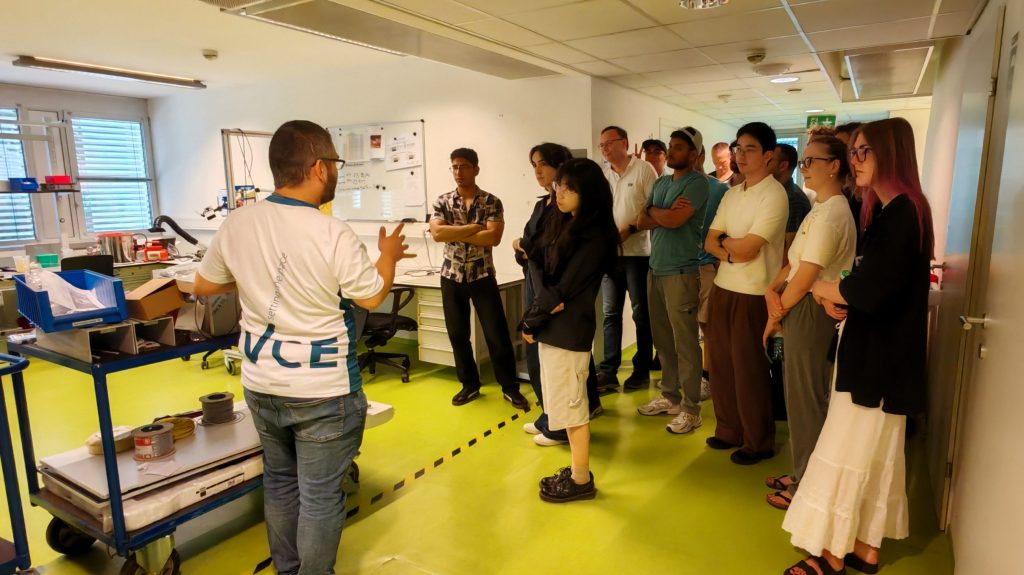
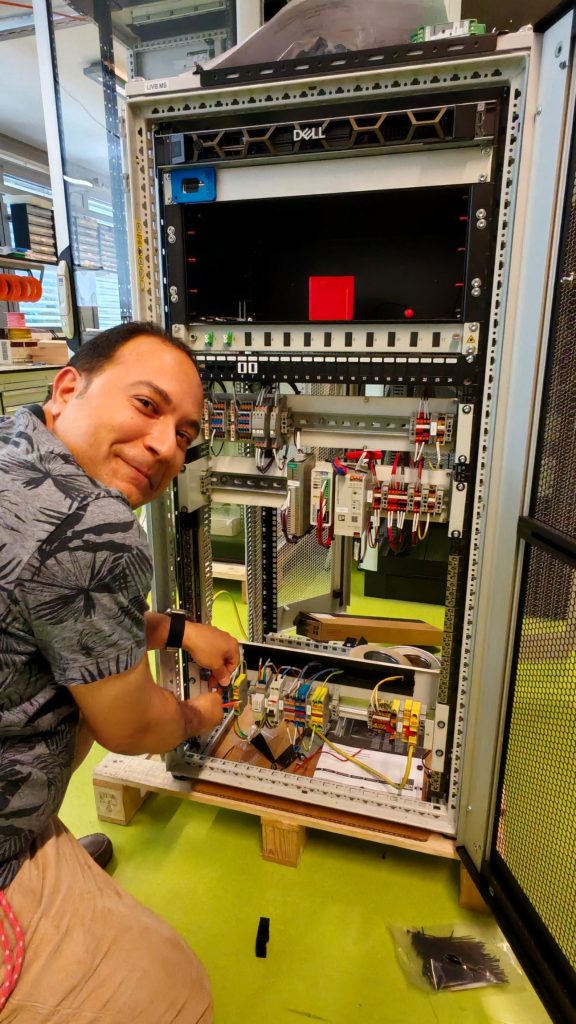
The visit concluded with a tour of the VCE laboratory and workshop facilities, where participants were able to see how the same sensors used in the field are assembled, configured, and combined before deployment on real structures.