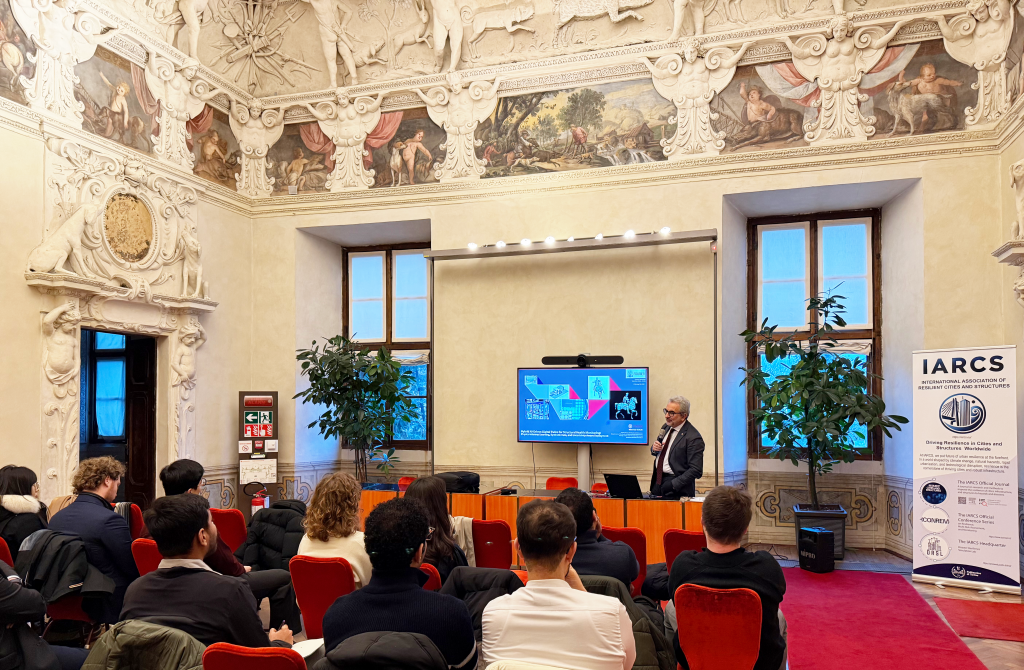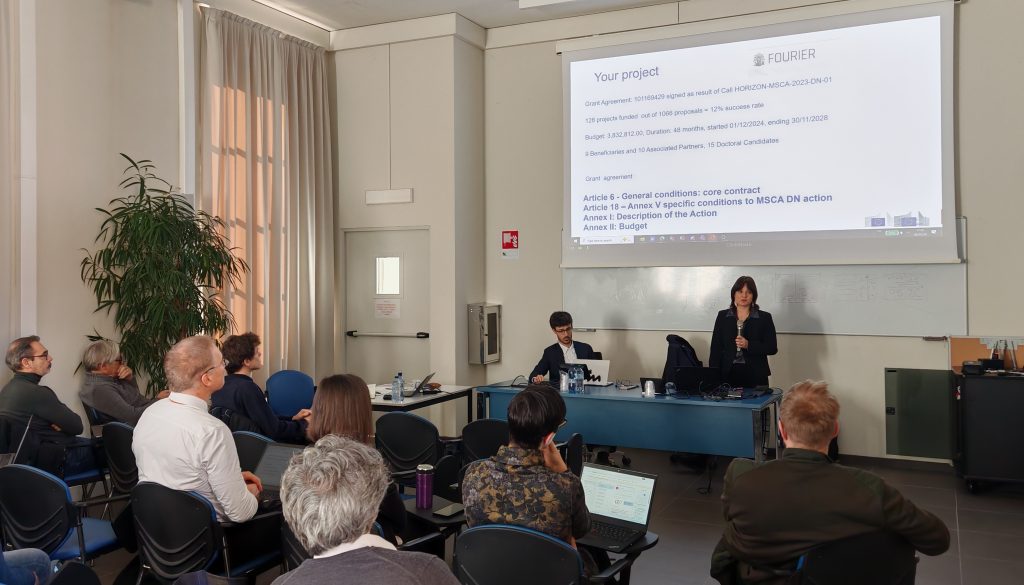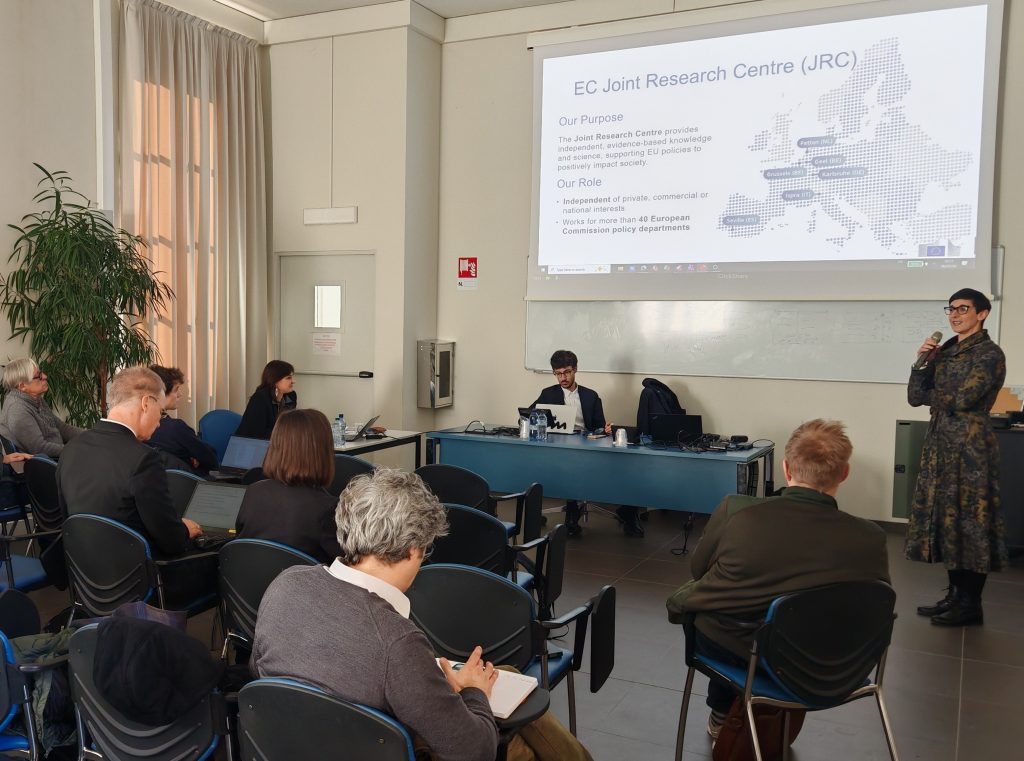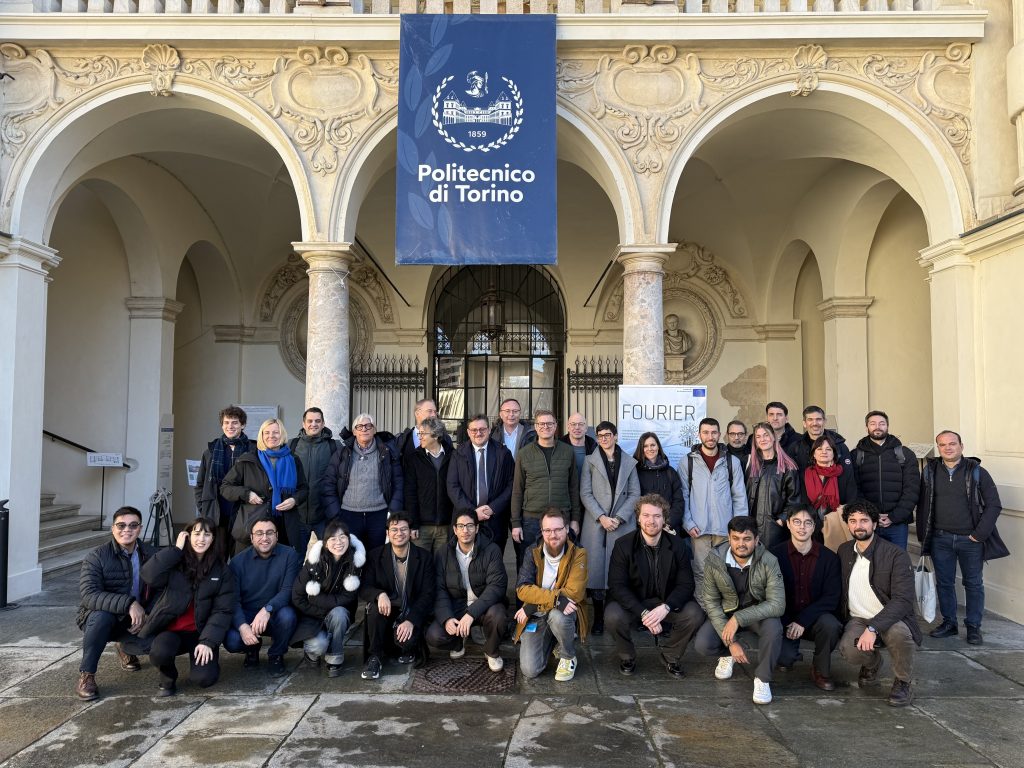
At the beginning of February, Turin hosted the first Training School for doctoral candidates, combined with a midterm meeting of our project. The event took place in the stunning Valentino Castle, where participants enjoyed insightful lectures in a historic setting. The program also included visits to cutting-edge laboratories at the nearby Ispra site (JRC) and a bridge equipped with real-time monitoring sensors for over a decade.
The first day featured inspiring presentations, setting the stage for collaborative discussions and knowledge exchange.
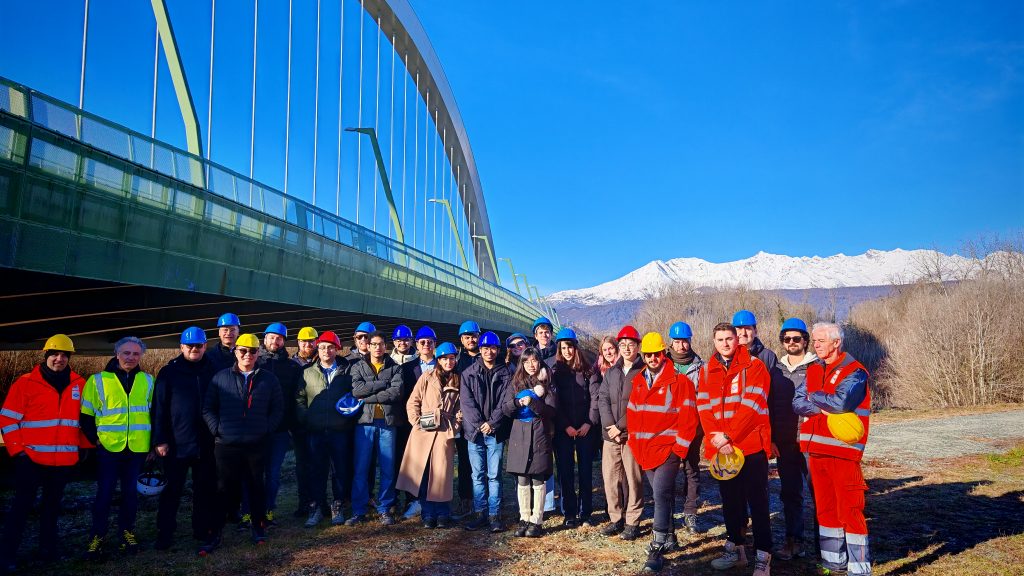
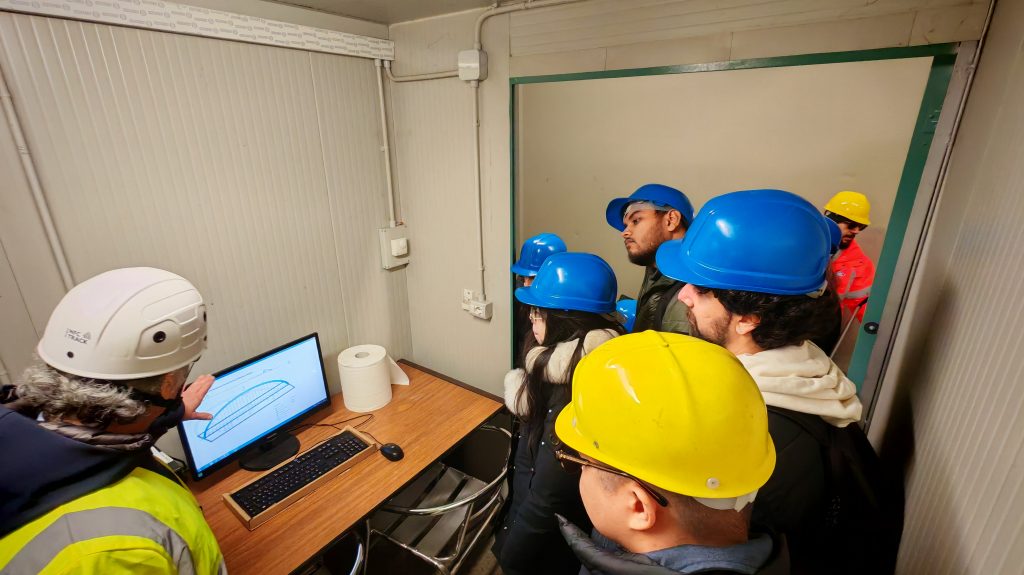
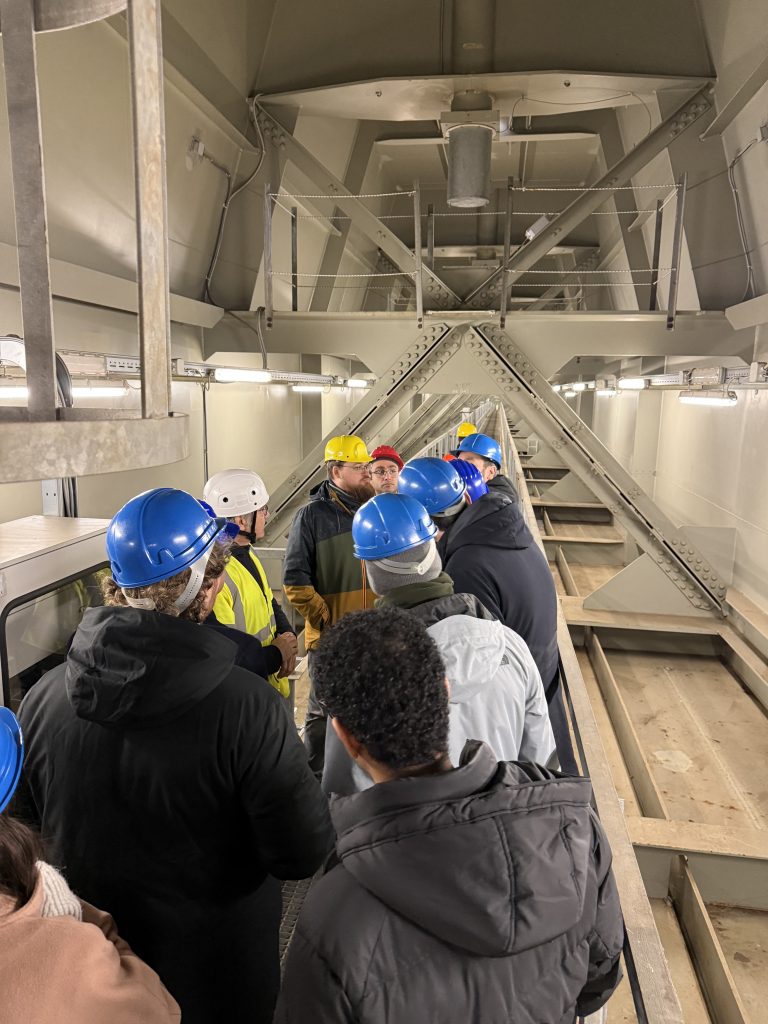
On the second day, participants visited the Marchetti Viaduct in Pavone Canavese, a remarkable single-arch, lower-track steel structure with a 250-meter span. The viaduct is embedded with real-time sensors that monitor temperature, deformation, and structural integrity, sending data to a central control unit. In winter, if temperatures drop below a critical threshold, the road surface is automatically treated with an eco-friendly antifreeze layer to ensure safety.
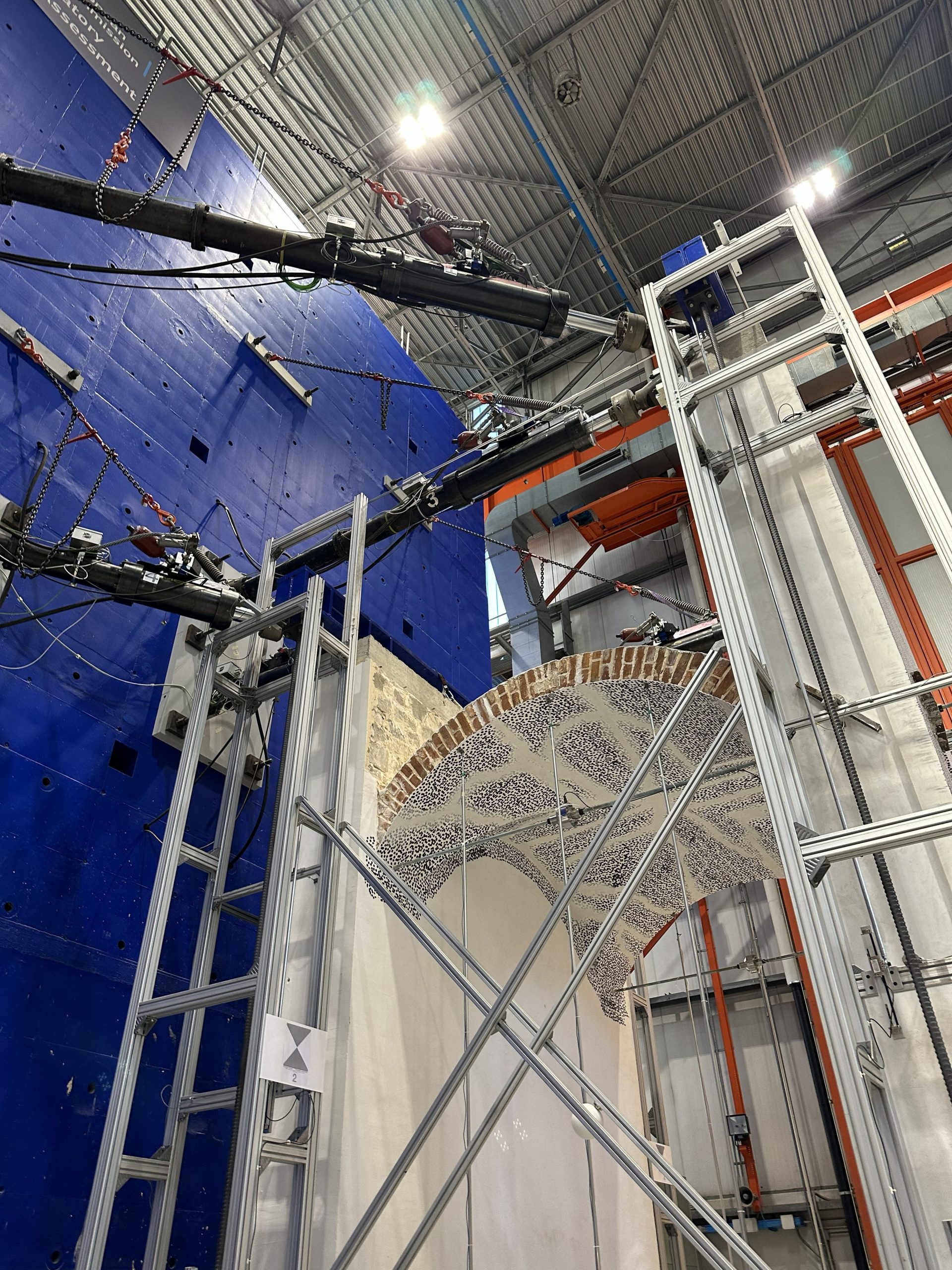
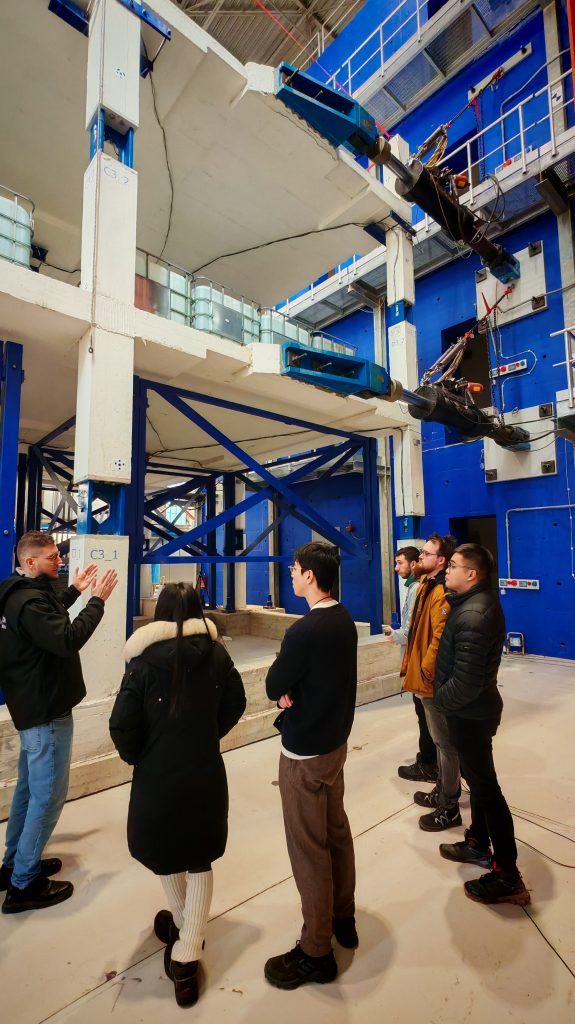
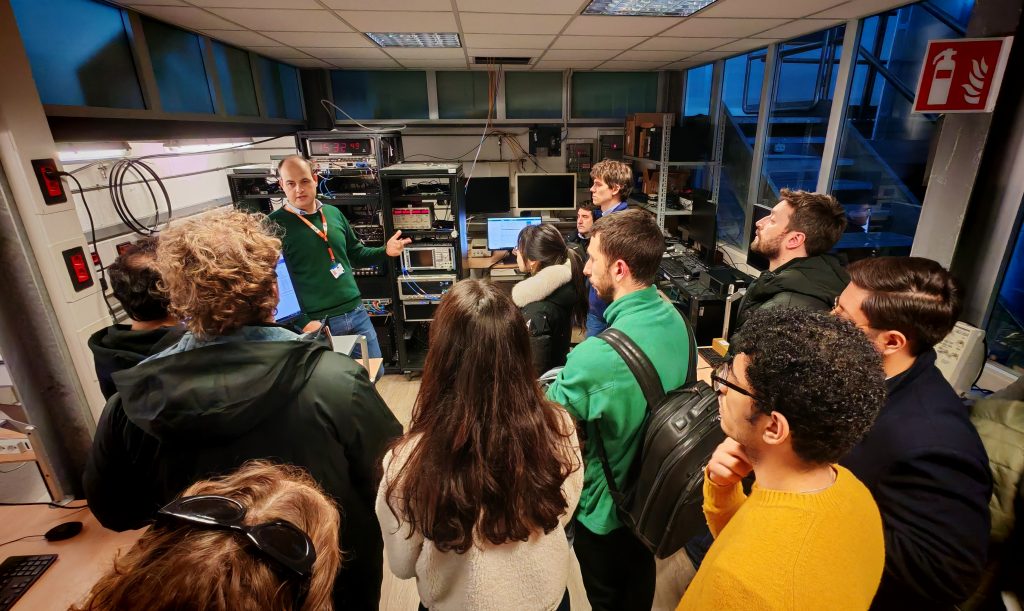
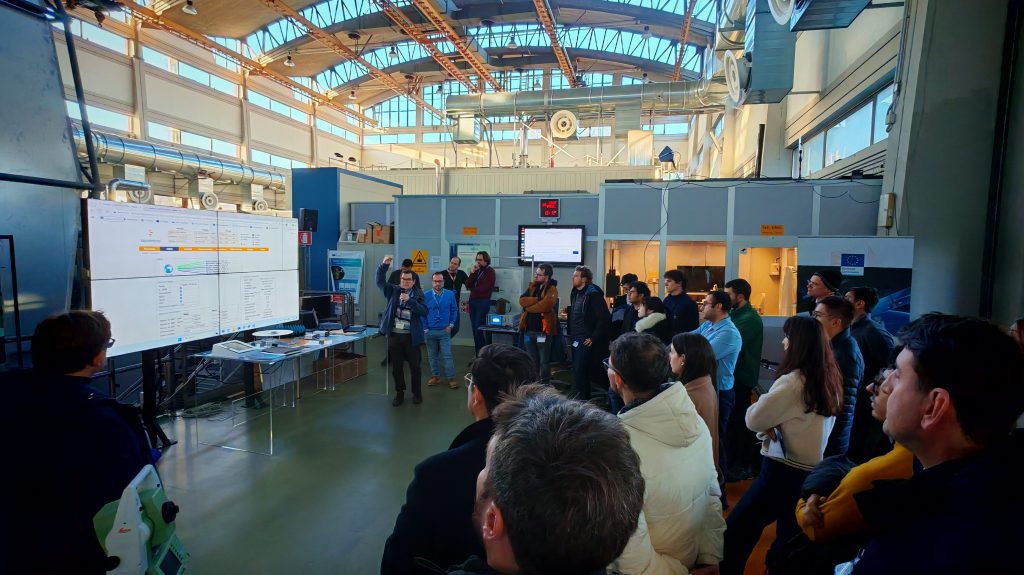
The group then toured the Joint Research Centre (JRC) in Ispra, originally established in 1960 as a nuclear research site and now one of Europe’s leading research campuses. Participants explored state-of-the-art laboratories and research infrastructures, gaining insights into the groundbreaking work conducted there.
We visted:
– Large Hopkinson Bar Facility (HopLab): Designed to study the dynamic behavior of materials and structural components under extreme conditions, such as impacts or explosions. This facility provides critical data for safety assessments in civil engineering, transportation, and energy infrastructure, including nuclear reactor safety.
– ELSA Reaction Wall: Europe’s largest facility for testing building vulnerability to earthquakes and other structural threats.
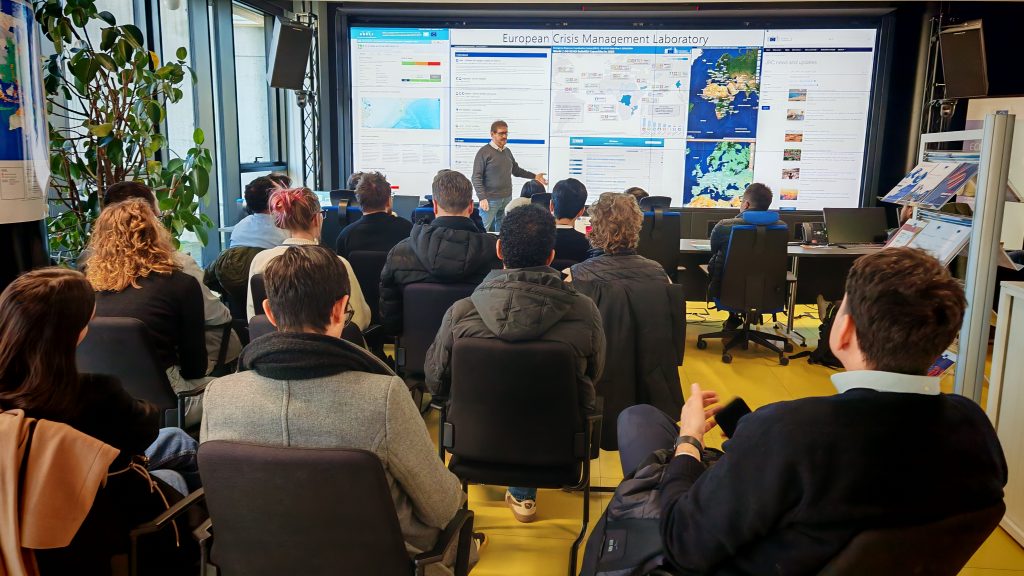
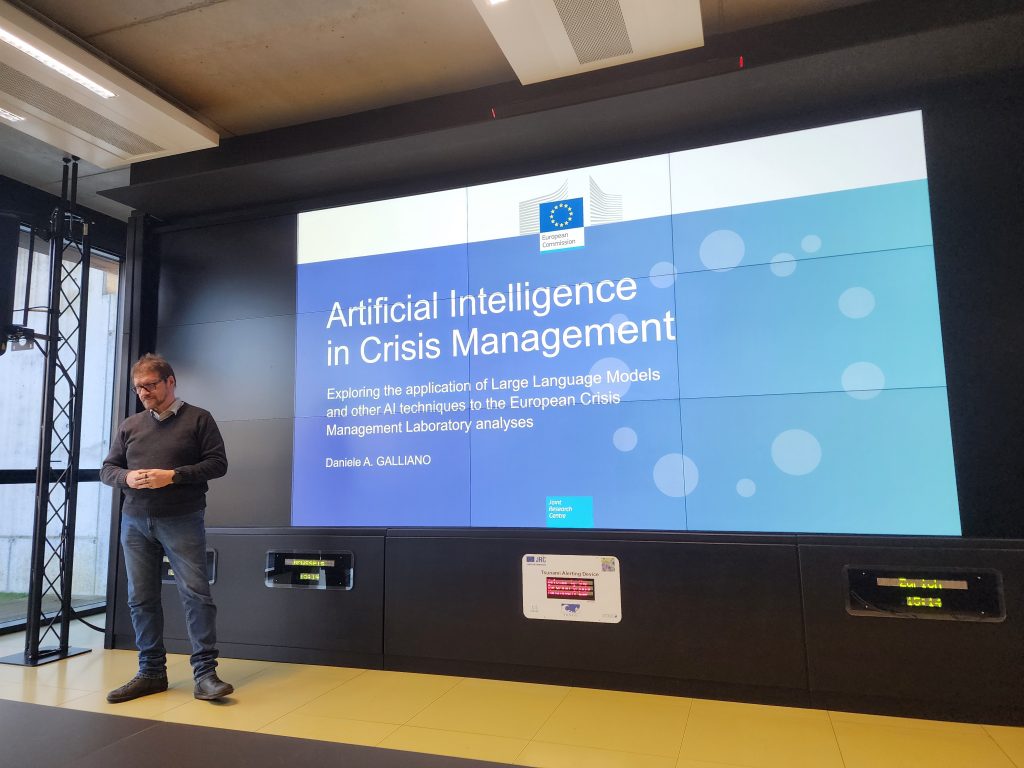
– European Crisis Management Laboratory: A hub where experts in hydrology, meteorology, and remote sensing develop ICT solutions to enhance crisis response. Participants learned about the role of AI in crisis management.
– European Microwave Signature Laboratory (EMSL): Offers advanced testing capabilities in the radio-frequency range, supporting research in satellite navigation (Galileo, GNSS, PNT), wireless communications, and satellite systems.
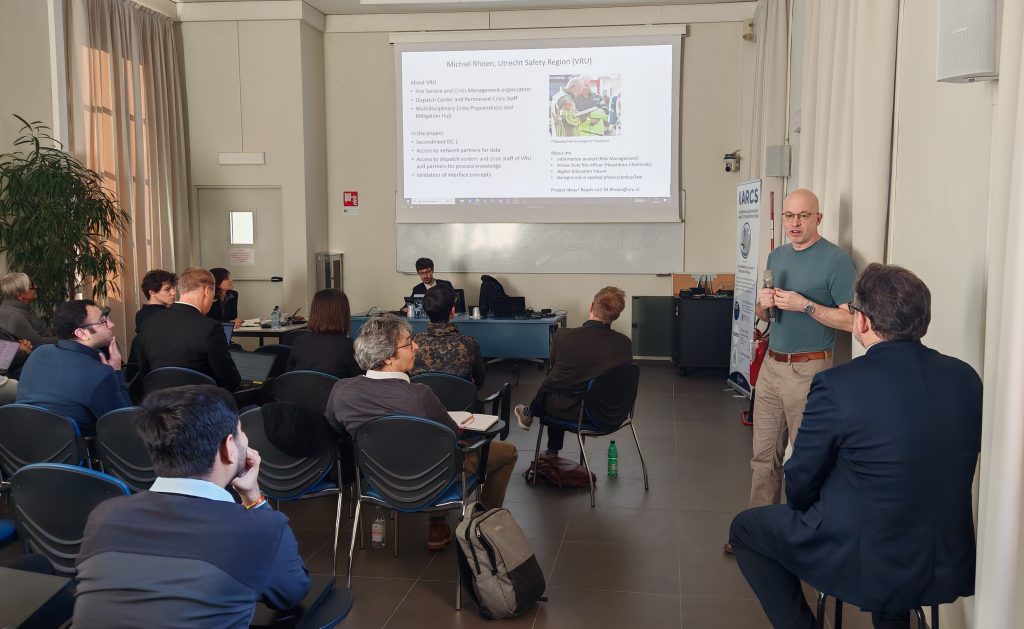
The final day focused on networking and collaboration, as doctoral candidates introduced their previous work, research objectives, and future project ideas.The supervising institutions and associated partners also introduced themselves, sharing their roles, expertise, and contributions to the project.
This event served as both a platform for learning and a catalyst for building a stronger, interconnected research community. Through shared insights and strengthened collaborations, it laid the foundation for future joint initiatives setting the stage for the next exciting steps in our journey.